Community / Users list / DarrellDalton

DarrellDalton
Free play casino: what it means for British players and how it works
====================================================================

Free play at an online casino sounds simple enough—you get to play games without spending your own money first. In reality, the term covers several different offers and bonus types, each with its own rules about how much you can win, what you can play, and when you can cash out. Understanding what free play really means helps you spot genuine value from marketing hype.
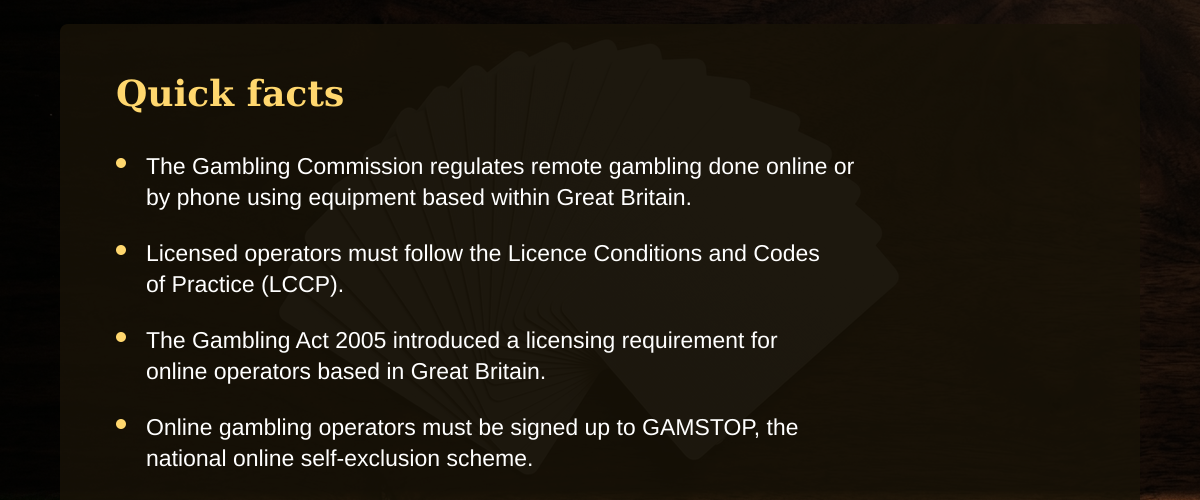
The United Kingdom gambling market is tightly regulated by the Gambling Commission under the Gambling Act 2005, as amended by the Gambling (Licensing and Advertising) Act 2014. Licensed operators must follow clear rules about how they present bonuses, what they charge, and how they handle your money. This framework shapes every free play offer you see, from the welcome bonus on sign-up to the reload offers that come later.
Most major British online casinos use free play as a way to let new players try games without risk. The mechanics vary, but the principle stays the same: the casino credits your account with bonus funds or spins, you play within set conditions, and anything you win (up to a limit, usually) can sometimes be withdrawn as real cash.
Types of free play offers you'll encounter
------------------------------------------
Free play comes in distinct flavours. No-deposit bonuses are credit handed to you simply for registering—no money in your pocket needed. Free spins on a specific slot game work the same way: the casino grants you a set number of spins, each spin is pre-funded, and winnings land in a bonus wallet. Some casinos blend both: a small cash credit plus a stack of free spins on popular slots.
Deposit bonuses dressed up as "free play" are actually match offers: you pay in real money, the casino doubles it (or adds a percentage), and the bonus portion comes with play-through terms. This isn't free in the strictest sense, but casinos sometimes market it that way because the bonus credit feels like free money landing in your account.
Cash-back or refund offers sit elsewhere on the spectrum. You lose money, but the casino returns a percentage—say, 10% of losses—as a bonus. That rebate is free play in the sense that you didn't earn it through deposits, but you only get it because you've already lost funds you staked.
How winning from free play works
--------------------------------
Winning real money from free play bonuses is possible but conditional. Licensing rules require casinos to disclose the exact terms. Typically, a no-deposit bonus comes with a "play-through" or "wagering" requirement—you must bet the bonus amount several times (often 35× to 50×) before any winnings become withdrawable.
An example clarifies this. You receive £10 in free bonus credit and play a slot game. You win £50. That £50 sits in your bonus wallet, not your real money account. If the play-through requirement is 40×, you must stake £400 more (40 times your original £10 bonus) in total spins across the site before that £50 win can move to your withdrawable balance. Most players burn through the bonus trying to reach that target and never see a payout.
Casinos also set maximum win caps—a free spins bonus might cap winnings at £100 total, no matter what the reels deliver. This protects the casino from an unlucky streak but also stops you banking life-changing sums from a small bonus. Reputable licensed operators make these caps obvious before you claim the offer.
Payment methods and affordability checks
----------------------------------------
When you want to cash out winnings from free play, the payment methods available matter. Licensed casinos in the United Kingdom accept debit cards, PayPal, Apple Pay, and Paysafecard—all common, regulated routes. Credit cards were banned for gambling in April 2020, so you won't find that option.
Before you deposit to play, casinos must now run affordability checks if you're depositing £150 or more per month. From 28 February 2025, these checks are mandatory under Gambling Commission Social Responsibility rules. They're designed to catch signs of financial difficulty early and prevent problem gambling. You may be asked about your income, expenses, or borrowing. If the operator flags a concern, they'll refuse your deposit or set lower limits on your account.
All licensed operators also sign up to GamStop, the national self-exclusion scheme. If you're struggling with gambling, you can register with GamStop and be blocked from every licensed casino in the United Kingdom for a period you choose—6 months, 1 year, or longer. This applies across the board, even if you later try to register with a different operator under a different email. For responsible gamblers, it's a safety net worth knowing about.
Conditions that often catch players out
---------------------------------------
Free play bonuses come loaded with fine print. Several rules trip up new players regularly.
* Game restrictions: free spins might work only on certain slots, while a bonus credit could be blocked from table games and live casino entirely
* Time limits: your free play expires after 7 or 14 days—if you don't use it, it vanishes
* Wagering hurdles: play-through requirements can reach 50× or 75× on some offers, making withdrawal near-impossible
* Win caps: even if you get lucky, your cashout is capped at £20 or £50, destroying any fantasy of a big payout
* Account closure after bonus: some casinos close your account if you don't deposit real money within a set period after using free play
The Gambling Commission requires operators to present these terms clearly before you accept the bonus, but they're often buried in dense text. Reading the conditions—really reading them—saves frustration later.
Why casinos offer free play and what they gain
----------------------------------------------
Casinos hand out free play for commercial reasons. A no-deposit bonus costs them nothing upfront if you lose; they're betting that most players will burn through the bonus, enjoy the site, and come back to deposit real money. Even players who do turn a bonus into a small withdrawal have usually spent more than they won by the time they meet the wagering target.
From the casino's angle, free play is marketing. It lowers the barrier to entry—you don't risk your own cash to test the platform, games, and customer service. Many players who claim a no-deposit bonus never deposit. Some do, and the casino recoups its cost many times over from those customers' future losses. It's a calculated trade.
Licensed operators like [crusado](https://crusadoofficial.com/) structure free play offers to stay within Gambling Commission rules while maximising player acquisition. That balance shapes what you see: genuine no-deposit bonuses exist, but they're tightly controlled—small amounts, high play-through, game limits, time limits. The operator gives you a real chance to play free, but the rules make it hard to cash out without losing the bonus value to wagering.
Free play vs. real money play: the practical difference
-------------------------------------------------------
Playing with free bonus credit feels different from real money play. Psychologically, you're spending "house money," which can make you bet bigger and take more risks. Some players find they play faster, chase losses harder, or trigger bigger losing streaks when bonus funds are on the line. Real money feels weighty; bonus credit feels consequence-free, even though you're using the casino's software and its maths is identical either way.
From a gaming perspective, there's no difference. The RTP (return to player percentage), game mechanics, and odds are the same whether your balance says "Bonus: £10" or "Real: £10." But the emotional stakes shift, and the terms surrounding free play create practical friction—time limits, game locks, wagering walls—that don't apply to real money accounts.
Spotting legitimate offers from weak ones
-----------------------------------------
Not all free play bonuses are worthless, but many are designed to look generous while delivering little. Red flags include extremely high wagering requirements (above 50×), very short claim periods (under 24 hours), and caps so low they make winning impossible (under £50 on a large bonus, for instance).
Legitimate offers tend toward reasonable play-through (35× to 40×), reasonable expiry windows (7 to 14 days), and win caps that scale with the bonus size. If a casino offers £20 free spins with a £500 win cap and a 35× play-through, that's a genuine shot at real money. If it offers the same £20 with a £5 cap and 60× play-through, you're being shown the door politely.
Check whether the casino is licensed by the Gambling Commission. A licensed operator's bonuses have been vetted against regulatory standards. The UKGC publishes a register of licensed operators—search it to confirm. Unlicensed casinos operating from abroad might offer flashier bonuses, but they fall outside the legal framework that protects British players: no affordability checks, no GamStop integration, no guarantee of fair games, and no recourse if something goes wrong.
Taxes, limits, and what you keep
--------------------------------
Here's good news: gambling winnings are not taxed as personal income in the United Kingdom. If you turn a £10 free bonus into £500, all £500 is yours to keep—no income tax bill arrives. The casino pays gambling tax to HMRC, not you.
Stake limits don't apply to online casino games in Great Britain currently. You can bet £100 per spin on a slot if you choose; there's no legal maximum. However, individual casinos set their own limits—usually between £0.10 and £10 per spin, sometimes higher—and these are your only practical ceiling. Affordability checks and GamStop exist to catch problem play before it starts, and your own bank may offer gambling transaction blocks if you ask. Most major consumer banks now allow you to opt in to these blocks, freezing gambling payments automatically.
Free play winnings are subject to the same tax treatment and limits as real money winnings. The only difference is the route to getting there—you played with bonus credit instead of your own deposit. Once the bonus has been wagered and winnings hit your real account, they're treated identically.
Making a smart choice about free play
-------------------------------------
Free play is a legitimate tool for testing a casino if you pick offers carefully. Look for no-deposit bonuses on sites licensed by the Gambling Commission, read the terms fully, and be honest about whether you're likely to meet the wagering requirement. Most people won't—and that's not a loss on your part, because you spent no real money to begin with.
Don't chase free play bonuses across multiple casinos hoping to build a bankroll. Each bonus comes with friction, time limits, and terms designed to make withdrawal hard. A single good offer on a reputable site beats ten weak offers scattered across dubious platforms.
Free play works best as an introduction, not a money-making scheme. Use it to explore game variety, judge site speed and customer service, and decide whether you enjoy the casino's look and feel. If you don't want to deposit, stop after the free play expires. If you do deposit later, do so only with money you can afford to lose, and set personal limits—daily, weekly, or monthly—to keep play under your control. The Gambling Commission's safer gambling guidance and GamStop are there for when gambling stops being fun and starts feeling urgent.


